


Drivers are being encouraged to check the condition of their cars and vans ahead of an expected summer of hot weather.
With a red weather warning already issued last month, and more hot weather on the way, the RAC is advising motorists to think about their vehicle use where possible. They suggest avoiding travelling during the hottest part of the day where possible, staying well hydrated and ensuring their vehicle is ready for the conditions before setting off.
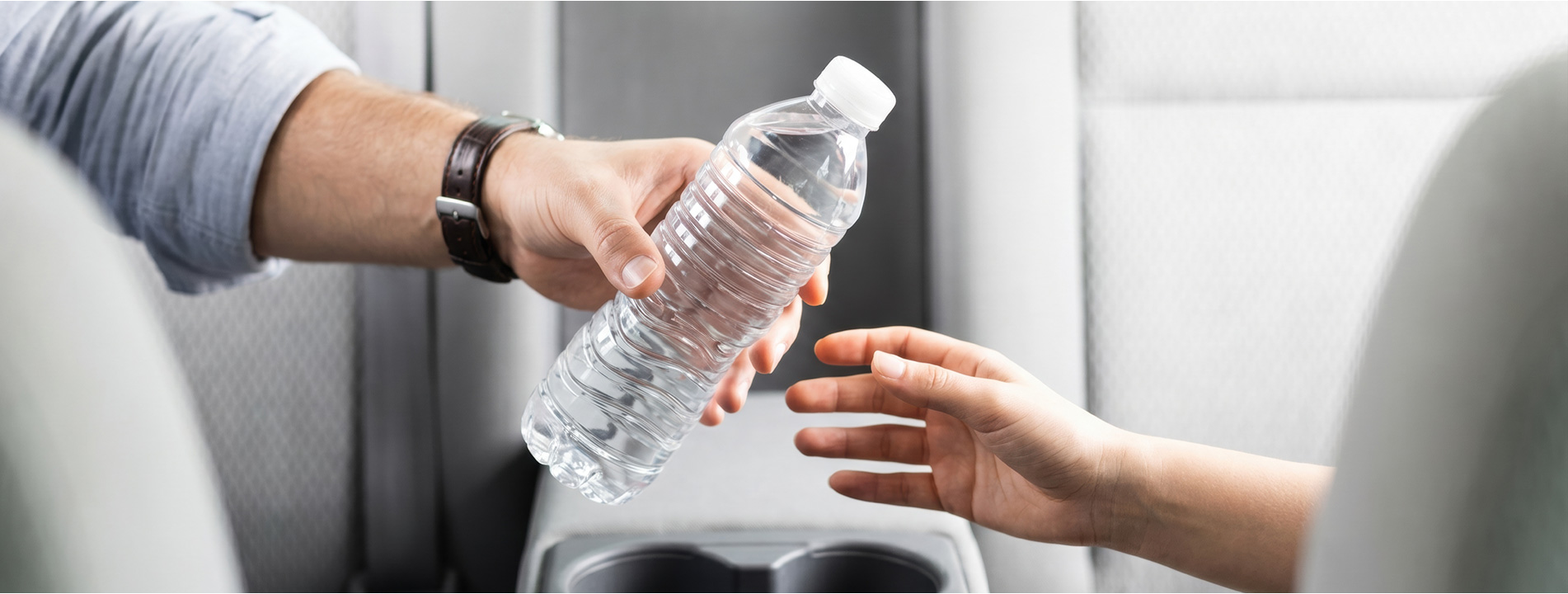
Higher temperatures can place extra strain on tyres, batteries and cooling systems, while softened road surfaces and increased traffic congestion may also contribute to delays. Disruption to rail and air services could result in additional pressure on the road network. Drivers are also being encouraged to carry an emergency kit containing drinking water, snacks, any essential medication, a fully charged mobile phone, sunscreen and supplies for pets if travelling with them.
RAC road safety spokesperson Rod Dennis said: "Red extreme heat warnings are rare, and we urge everyone to take them seriously. Drivers whose vehicles don't have effective air conditioning should strongly consider postponing any non-essential car journeys, and if this isn’t possible, our best advice is to travel during cooler times of day.
This is especially important for anyone travelling with vulnerable people, including young children and older adults, who are at greater risk from the intense heat. We'd also remind motorists never to leave pets inside a hot vehicle, as doing so can quickly become fatal.
There are simple steps motorists can take to reduce the risk of a breakdown in the first place, however. It begins with a few basic checks under the bonnet before setting out. Make sure oil levels are sufficient and top up if needed. Coolant should also sit between the ‘min’ and ‘max’ markers - if it isn't, top it up yourself when the engine is cold and have it inspected by an RAC mobile mechanic or reputable garage as soon as possible.
At these kinds of temperatures, road surfaces will soften, with darker patches of tarmac often the clearest indicator. Drivers may therefore see councils deploying gritting vehicles - a sight normally reserved for the winter - as applying a fine layer of granite dust can help maintain traction on melting roads. Motorists also shouldn’t be concerned if they spot water beneath their vehicle, as this is typically just condensation from the air conditioning system."